Optimize your performance by leveraging heat acclimation. Controlled exposure to elevated temperatures triggers physiological adaptations, including increased plasma volume and improved core body temperature regulation, essential for high-intensity efforts in challenging environments.

Altitude training, or hypoxia, forces the body to adapt to lower oxygen levels. This physiological stress triggers an increase in erythropoietin (EPO), a hormone that stimulates the production of red blood cells, enhancing aerobic capacity.
By training at heights above 2,000 meters, cyclists can improve their V02 max and endurance levels. The recovery phases and dietary adjustments during these blocks are critical to ensuring the body translates this stress into wattage gains.

Power Threshold Zones
Mastering the intensity between aerobic endurance and anaerobic threshold is critical for sustained race-day performance.

Aerobic Power
Training at 76-90% of your Functional Threshold Power (FTP). This zone builds the foundational aerobic strength needed for long-distance speed and efficient glycogen utilization.

Functional Strength
Operating at 88-94% of FTP, this zone balances high intensity with volume to maximize physiological adaptations without the excessive fatigue of threshold work.

Lactate Threshold
Threshold
Training at 95-105% of FTP. These sessions are designed to push your lactate threshold higher, increasing the power you can sustain for long durations during competition.
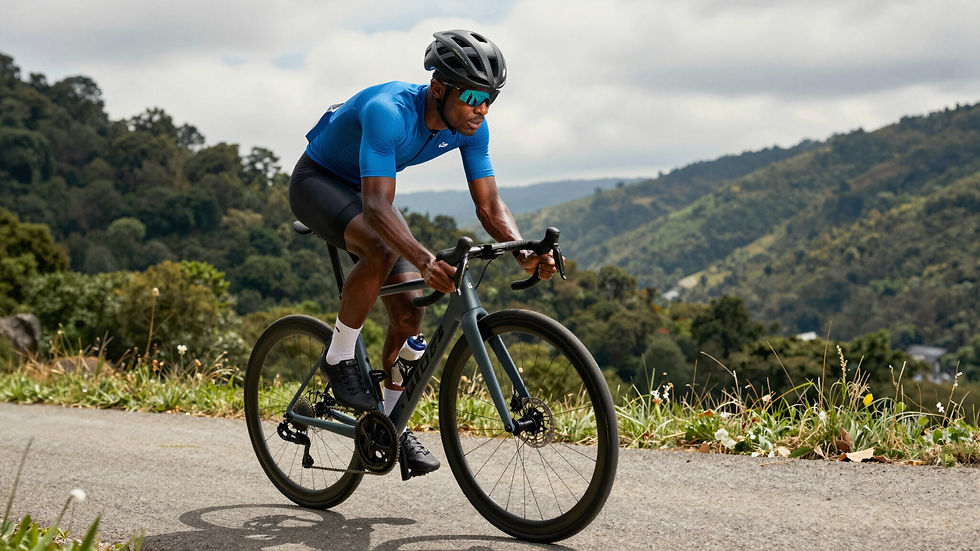
Maximum Aerobic Capacity
VO2 Max
Working at 106-120% of FTP. Short, brutal intervals designed to increase the ceiling of your physiological potential and maximum oxygen uptake capability.